October 20, 2026
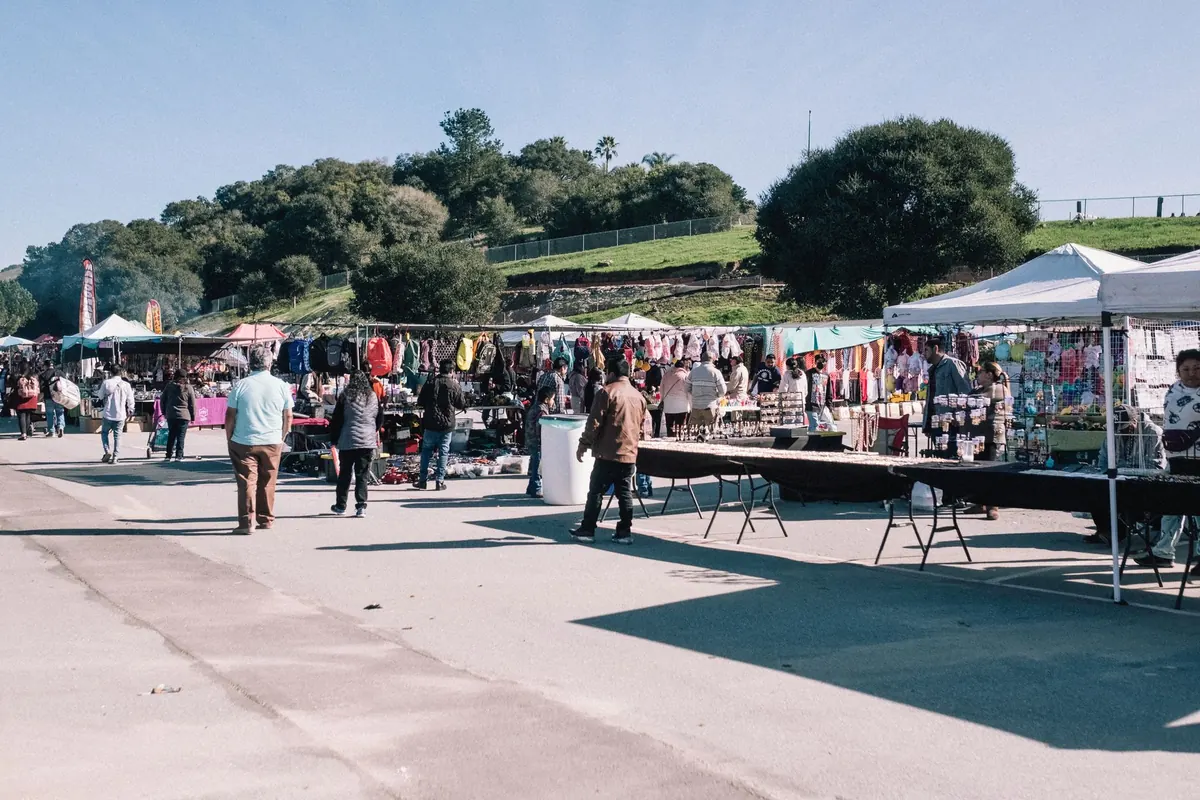
A good local market has a way of making sensible people behave as if they have just discovered food. The colours are brighter, the tomatoes actually smell of tomatoes, and the person at the stall insists you try a slice of peach. Twenty minutes later you are carrying three bags, your shoulder aches, and half of what you bought will be soft by Tuesday. None of that is a disaster; it is how most of us learn. But a few small habits separate a market trip that saves you money from one that quietly costs you more than the supermarket would have.
These are the mistakes that catch first-time shoppers most often, and what to do instead.
1. Buying for the shopper you wish you were
Market produce is displayed in a way that suggests abundance is the point. A whole crate of tomatoes for the price of two punnets feels like a win until you are standing in your kitchen at ten at night wondering who is going to make the sauce. The same goes for the "two for the price of one" offer on something you eat once a month.
Before you commit, ask yourself a plain question: what will I actually cook in the next three days? For most households that means a couple of vegetables, some fruit, cheese, bread, and perhaps one thing you bought because it looked interesting. A good rule is to buy fresh food for two or three meals at a time and return later in the week for more. Markets are not warehouses; you do not need to stock up as if a storm is coming.
There is also the physical side. A generous basket gets very heavy on the walk home, and heavy bags bruise the soft fruit at the bottom. Buy big, but buy with your arms and your fridge in mind.
2. Assuming the first price you hear is the price
Prices vary more than new shoppers expect, both between stalls and across the day. The stall right at the entrance is paying for that position and often charges accordingly; the one at the far end of the row may be selling the same courgettes for noticeably less. A slow lap of the whole market before you spend anything is the single most useful habit you can build.
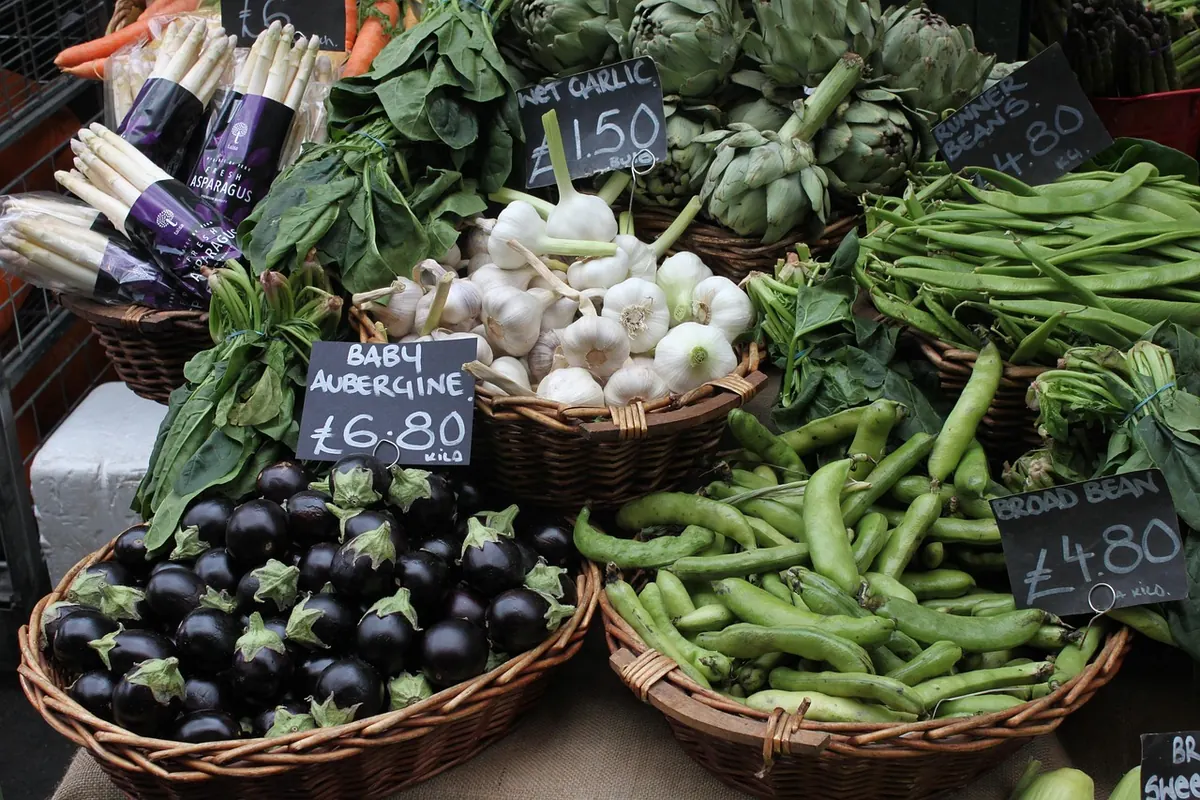
Then check what the price actually refers to. One stall prices by the kilo, another by the piece, another by the bunch — and a "bunch" of basil from one seller can be twice the size of another's. Ask before you point: quanto costa? and, if you want to be precise, al chilo o a pezzo? Nobody minds the question. It is the shopper who silently assumes and then feels cheated at the till who leaves in a bad mood.
3. Shopping as if every month tastes the same
Out-of-season produce is usually the most expensive and least rewarding thing on the table. Strawberries in the middle of winter, pale tomatoes in spring, peaches at Christmas: they have travelled a long way, they cost more, and they rarely taste of much. Meanwhile the fruit and vegetables that are in season are cheap, plentiful and at their best, because the stallholder has more of them than anyone can reasonably sell.
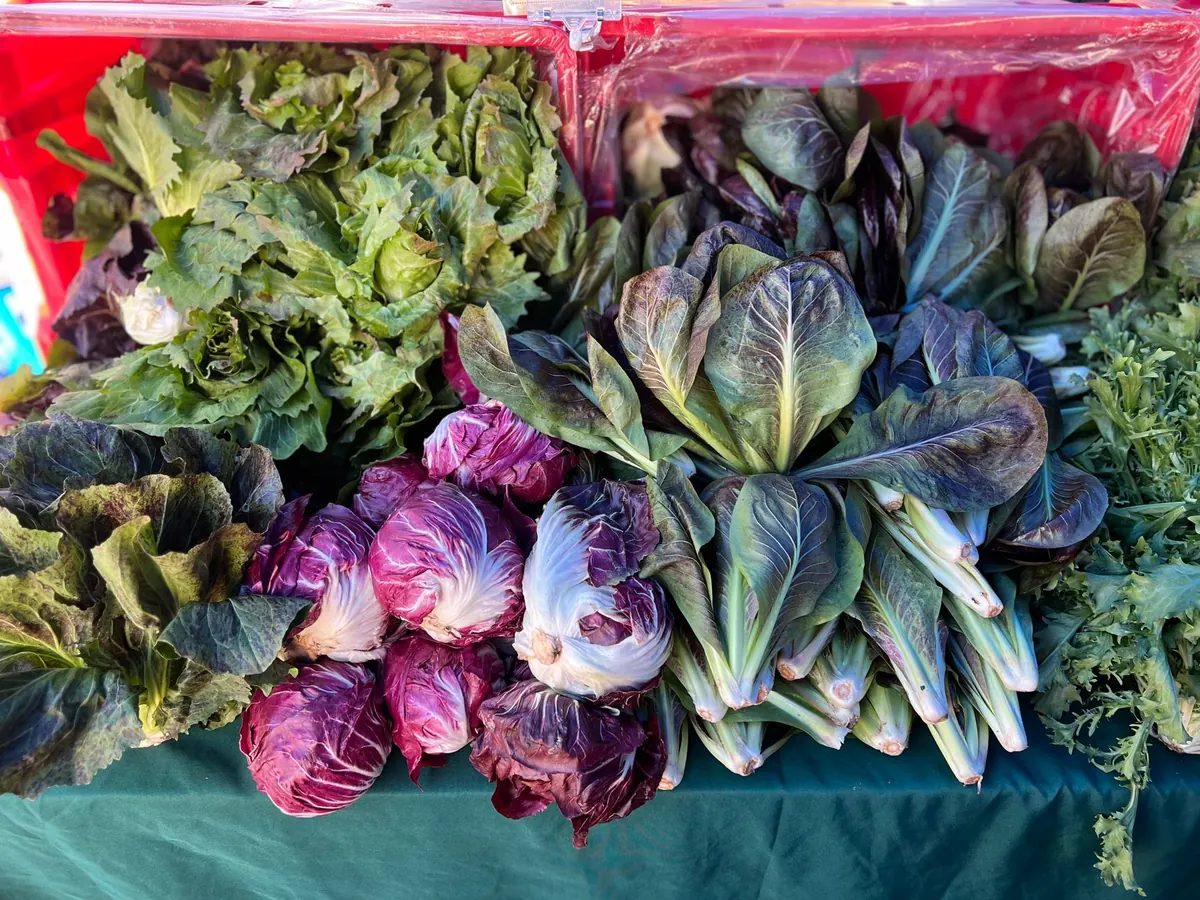
Learn the rough rhythm of your region and shop along it. Spring brings artichokes, broad beans and the first salad leaves; summer is stone fruit, tomatoes, peppers and aubergines; autumn means figs, mushrooms, grapes and squash; winter is citrus, cabbages, roots and leeks. When something is at its peak, buy a little more than you need and freeze or preserve the surplus — that is where real savings live. If you are unsure what is good this week, just ask: cosa è buono oggi? Stallholders are usually delighted to answer and will point you towards what they are proudest of.
4. Never asking — the bargaining opportunities you walk past
Bargaining at a local market is not a fight; it is a small negotiation with someone who wants to sell and would rather keep you as a customer than win the last fifty cents. The mistake is not haggling over a single bunch of parsley — nobody wants that shopper — but staying silent when there is an obvious opening.
These are the moments worth a polite question:
- You are buying several items from the same stall, not just one.
- You take the whole box, crate or tray rather than picking individual pieces.
- The produce is slightly bruised, very ripe, or the last of the day's stock.
- It is close to closing time and the seller is packing up.
- You are buying a larger quantity than usual and can pay in cash, with change ready.
Ask openly and without apology: what can you do if I take the whole box? Or simply, is that the best you can do? Sometimes the answer is no, and that is fine — buy it anyway or move on. The other reward is slower: once a stallholder recognises you, the good prices, the better pieces and the occasional extra handful arrive without you asking at all.
5. Arriving at the wrong hour with no plan
Timing changes everything. Early in the morning you get the best choice and the shortest queues; the last hour gets you discounts and picked-over tables. Neither is wrong, but know which one you want before you leave the house. Turning up at midday hoping for both usually ends with a tired shopper and a thin selection.
A list helps, as long as it is a list of meals rather than a list of wishes. Two or three dinners in mind, plus staples like bread and cheese, keeps you focused without closing you off to the one stall selling something remarkable. Plan the order of your walk too: heavy items — potatoes, onions, bottles — last, near the exit, so you are not hauling them around for an hour.
6. Forgetting the unglamorous details
Bring your own bags, and more than you think you need. Bring cash, including small notes and coins, because not every stall has a card reader and the queue behind you does not want to wait while you hunt for change. Check your change as it is handed over, and ask for a receipt if you need one for any reason.
Then there is the trip home. Soft fruit goes on top, meat and dairy go straight into a cool bag, and nothing sits in a warm car while you run one more errand. If you have bought more than you can eat in a couple of days, deal with it the same afternoon rather than discovering it three days later.
A five-minute plan for your next market morning
- Walk the length of the market once before buying anything, noting two or three stalls you want to return to.
- Ask one stallholder what is best today and what it costs, then compare with a second stall.
- Set a rough budget and a bag limit — and stick to both.
- Buy fresh food for a few meals, not for a fortnight.
- Ask once, politely, when you are buying a larger quantity or taking the last of something.
- Keep heavy items until last and store everything properly when you get home.
Do that a handful of times and the market stops being a place where you get carried away and becomes what it should be: the cheapest, freshest and most enjoyable part of your weekly shop.
Photo: JaHo / Pixabay