October 20, 2026

Two shoppers stop at the same stall on a Thursday afternoon. One buys a box of peppers at the marked price; the other comes back forty minutes later, pays less for the same peppers and gets a handful of parsley on top. Neither is a master negotiator. The difference is that one of them has learned the shape of the market week — when stock arrives, when it peaks, and when a vendor would rather sell cheap than pack it back into the van.
That rhythm is not a secret. It repeats every week, in every town, with small local variations. Once you notice it, you stop shopping by habit and start shopping by timing.
Every Market Week Has a Shape
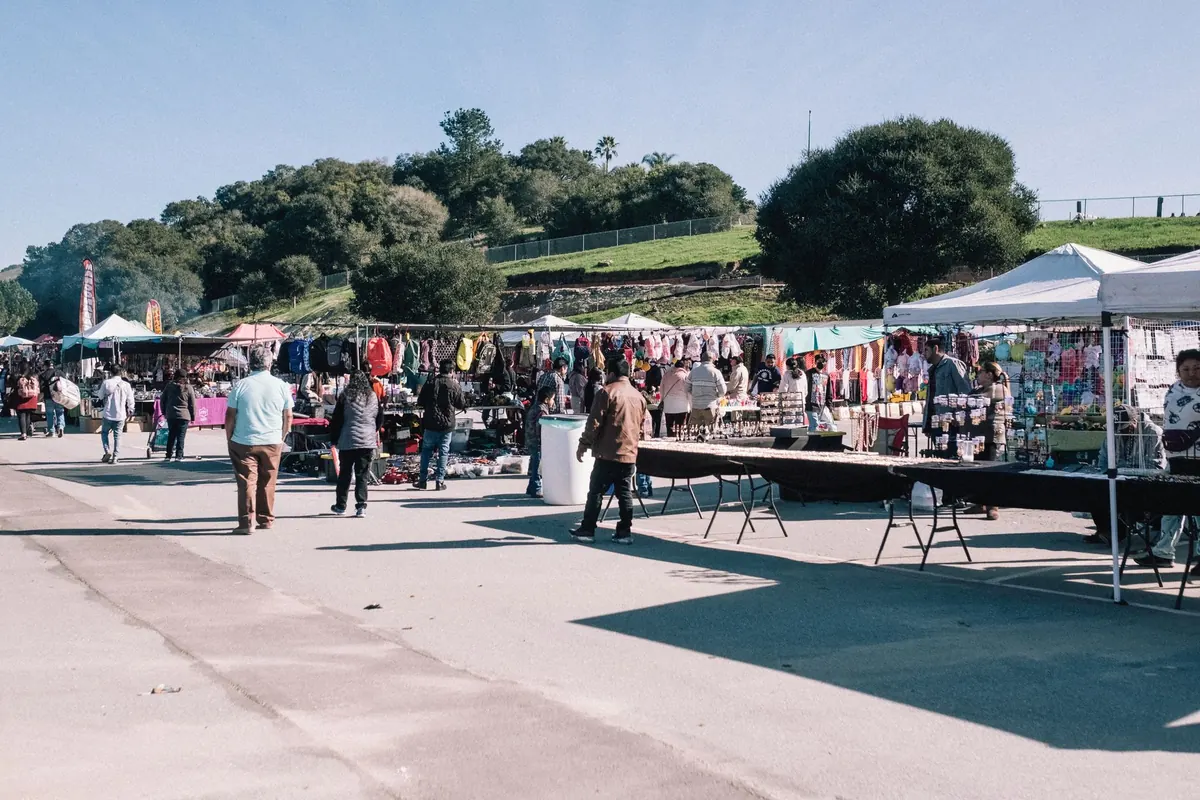
A market is not a shop with fixed shelves. It is a few dozen small businesses, each with its own supply, its own storage and its own idea of a good day. A grower who picked courgettes at dawn wants them gone by early afternoon. A reseller who buys from a wholesaler cares more about moving volume before the weekend. A cheese stall may have nothing to discount at all, because what doesn't sell on Saturday will still sell next Tuesday.
That is why blanket advice like "always shop at closing time" fails. The end-of-day window is real, but it works differently for produce than for bread, and differently for bread than for dry goods, jars and household items. The useful skill is not haggling. It is knowing which stall is under pressure, and when.
Map Your Own Market Week First
Before you change anything about how you shop, spend two or three weeks paying attention. Keep a note on your phone — a simple list is enough — and answer these questions as you walk the aisles.
- Which days does each nearby town hold its market? Many areas rotate: a small market on Tuesday, a midweek one on Thursday, the big Saturday event. The Saturday market is rarely the cheapest; it is the busiest.
- Where does each stall's stock come from? A grower selling their own crops has a different rhythm from someone reselling wholesale boxes. Ask. Most vendors are happy to tell you, and the answer changes everything about timing.
- When do the vans unload? Walk past at different hours. A stall that was half-empty at nine and full at eleven has a restock you can plan around.
- Who sells out early? The stall with a queue at opening and bare tables by noon will not discount anything. The one with full crates at two o'clock will.
- When does the crowd arrive? Crowds set the mood. A vendor surrounded by buyers has no reason to move on price; a vendor watching people drift home does.
Two weeks of notes will tell you more than any general rule, because your market is not the same as the one three towns over.
Restock Days: Best Choice, Not Best Price
Restock mornings give you the widest selection: the first cut of the cheese, the unbruised fruit, the specific variety you actually wanted. They almost never give you the lowest price. Stock is fresh, demand is high, and nobody needs to bargain at ten in the morning.
So treat restock day as a quality purchase, not a bargain hunt. If you need something specific — a particular loaf, a whole fish, a cut of meat for Sunday — arrive early and pay the asking price without resentment. You are buying choice, and choice is worth something. Then do your flexible buying later in the week, when the pressure has moved to the other side of the table.
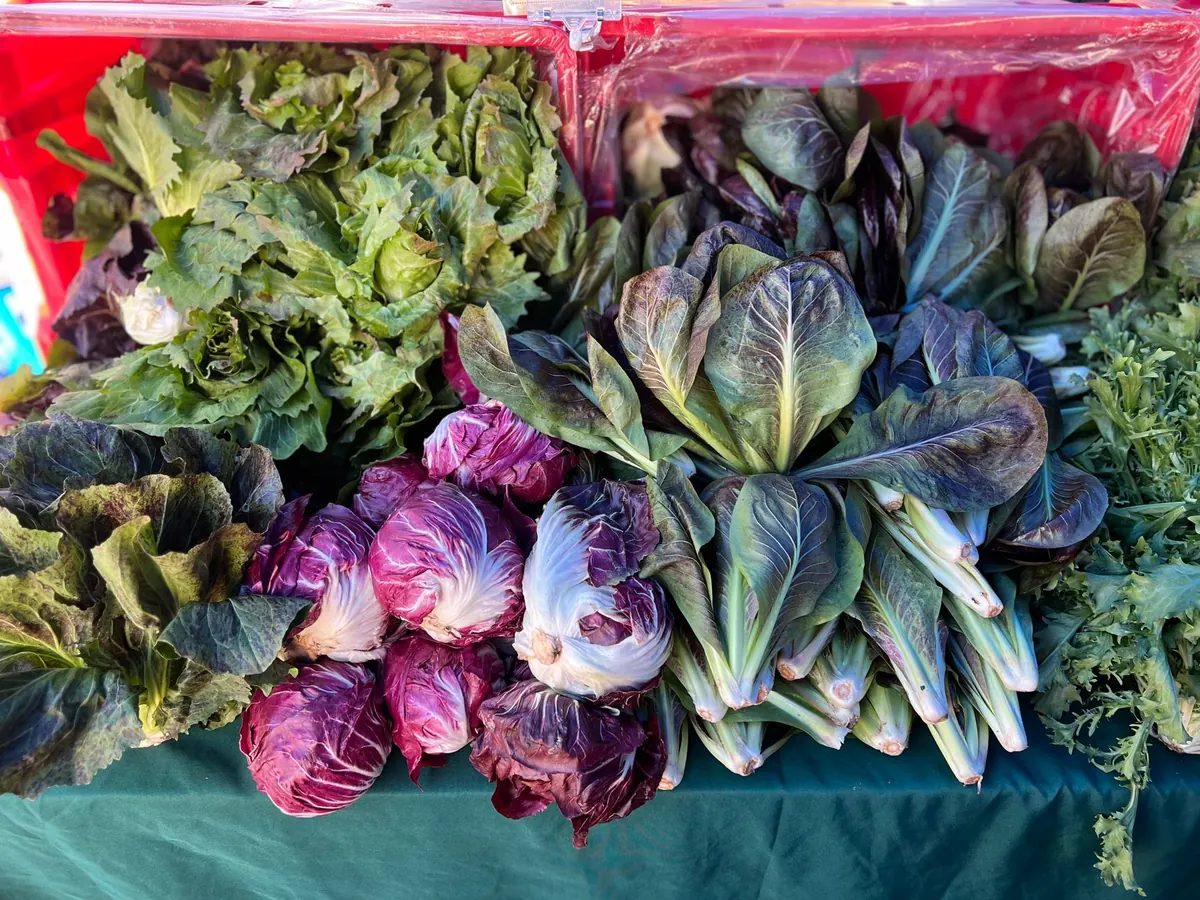
Where restocking really pays off is in planning: if you know that Thursday morning brings the new delivery of greens, you can build your week's meals around Thursday instead of buying tired leaves on Monday at the same price.
The End-of-Day Window, Done Politely
The last half hour before packing up is when discounts appear, especially on soft fruit, salads, bread and anything that will not survive another day. It is also the easiest place to make a nuisance of yourself. A little method keeps it pleasant for both sides.
- Buy your staples earlier, at full price, from the stalls you rely on. Vendors remember the customer who only appears when things are cheap.
- Come back in the final stretch rather than hovering for an hour. Loitering near a crate does not create a discount; it just creates tension.
- Ask what they would like to clear, not "what's cheap today". The first question respects their judgment; the second invites a shrug.
- Offer to take the whole lot if you can genuinely use it or split it with a neighbour. A vendor's real problem is the last four kilos, not the price of one.
- Carry cash and small notes. A quick, clean transaction is part of the deal you are proposing.
- Accept no for an answer gracefully. Some days the stock is fine until tomorrow, and the price stays.
Do this consistently and something better than a discount appears: the vendor starts setting things aside for you. That is worth more than a few coins off a box of tomatoes.
Buy the Glut: Seasonal Timing Beats Clever Timing
No amount of end-of-day patience will make out-of-season produce a bargain. The bigger savings come from buying whatever is flooding the market that month, when quality is at its peak and supply is doing the price work for you.
In much of Italy the year runs roughly like this: artichokes, asparagus and broad beans in spring; tomatoes, courgettes, peaches and melons through the summer heat; grapes, figs, mushrooms and squash in autumn; citrus, cabbage, leeks and roots through the winter. When a crop is at its height, buy double and preserve the surplus — passata, jam, pickles, a tray of roasted peppers in oil. The same logic applies to the fish counter and to cheese sold in large wheels: buy the abundant thing, cook around it, and let the expensive items be occasional.
Ask a grower directly what is best right now. It is the one question that never gets an evasive answer.
Weather, Holidays and the Weeks to Skip
Rain thins a market out, and a thin market is a flexible one — fewer shoppers, more stock to move, and vendors who would rather sell than sit. If you don't mind damp shoes, wet Wednesdays can be excellent. Heat works the other way for delicate produce: on a hot afternoon, greens wilt fast, which means both faster discounting and a shorter shelf life at home.
Holiday weeks are their own puzzle. The day before a long weekend is crowded and picked over; the day after can be quiet, with surplus stock and softer prices. In August, city markets empty out while coastal ones swell. Month-end and payday weekends tend to bring bigger crowds and firmer prices than the quieter stretch in between — a good moment to buy dry goods, jars and household items rather than fresh produce.
Put It Together: A Simple Two-Week Rhythm
You don't need an elaborate system. Choose one main market day and one smaller midweek market, then assign each type of purchase to the moment it suits best. Restock morning for anything where quality and choice matter: meat, fish, cheese, bread, a specific vegetable you have a plan for. Midweek for dry goods, pantry items and the bulk of your fruit and vegetables. The final half hour for soft fruit, salad, herbs and bread, bought with the next day's meals in mind. And when a crop is in full flood, buy generously and preserve.
Write it down once, adjust it after a month, and let the calendar do the work. The best market shoppers are not the ones who argue hardest. They are the ones who turn up on the right day, at the right hour, with a clear idea of what they came for and enough patience to wait for the moment when the stall wants them as much as they want the stall.
Photo: mangomatter / Pixabay