October 11, 2026
Two markets can sit three streets apart and feel like different countries. At the flea market, someone is turning a chipped ceramic jug over in their hands and asking what the seller would take for it. At the farmers market, someone is asking whether the tomatoes came in that morning. Same Saturday, same town, completely different errand.
The choice isn't about which market is better. It's about which one answers the question you're actually carrying: what's for dinner this week, or what's missing from the flat. Get that straight before you leave the house and you'll come home with a full bag instead of a random one.
What Each Market Actually Sells
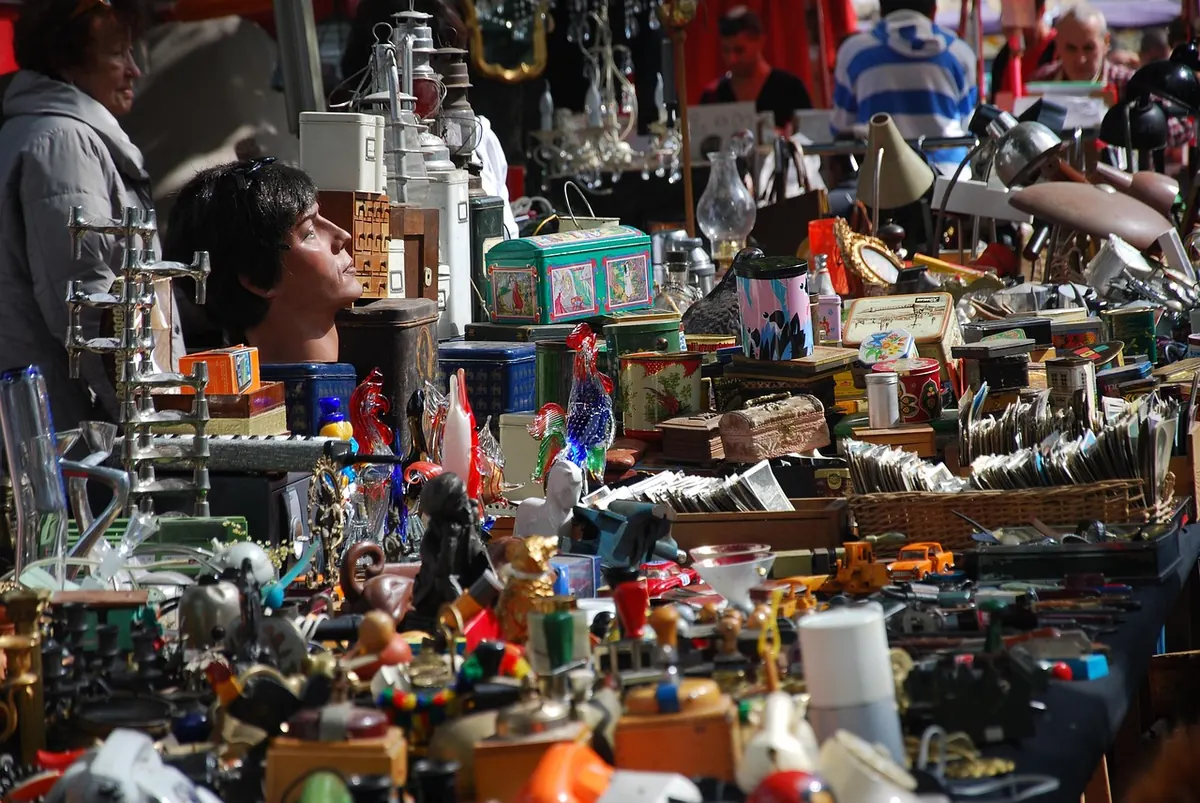
A flea market is a market of objects that already had a life. Expect furniture, picture frames, glassware, crockery, tools, linens, books, records, cameras, small appliances, toys, and rails of clothes. Condition is all over the place: one stall is a tidy collector with things priced and labelled, the next is a house clearance tipped onto a tarpaulin. Some flea markets also carry cheap new goods — socks, phone cables, plastic storage boxes — which are useful but a different purchase entirely.
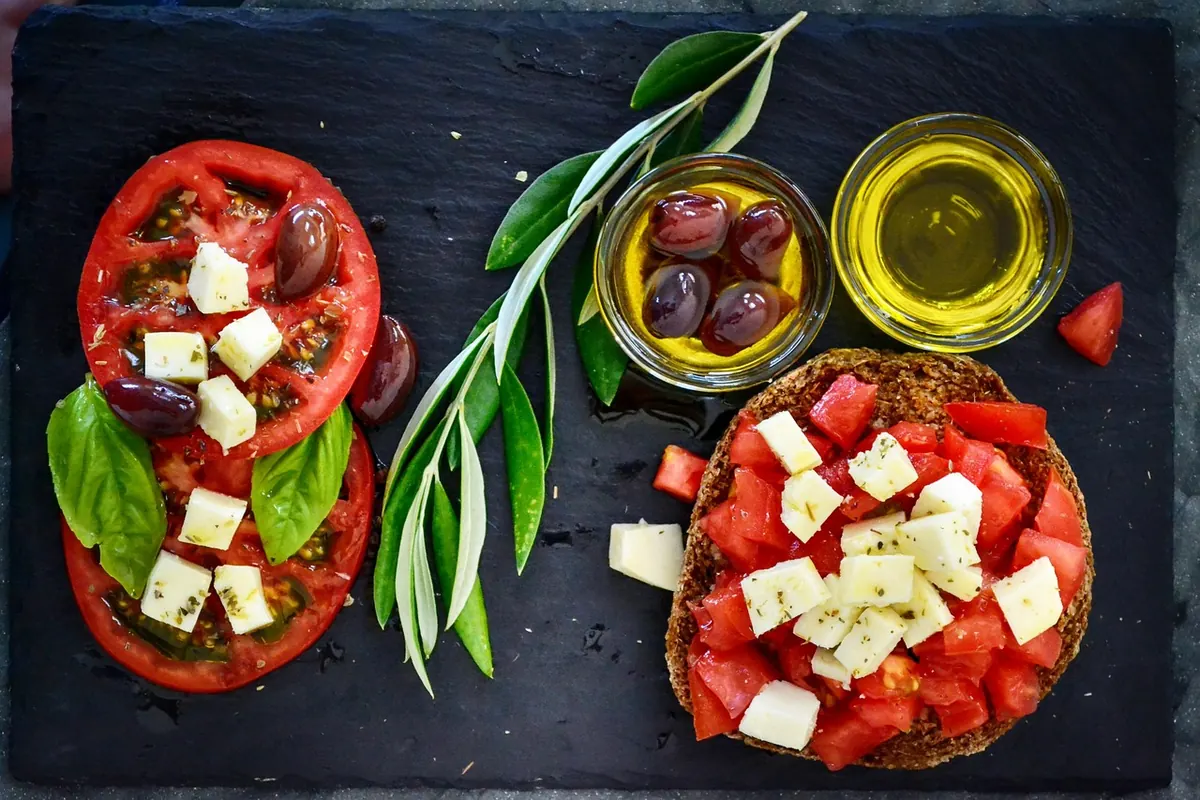
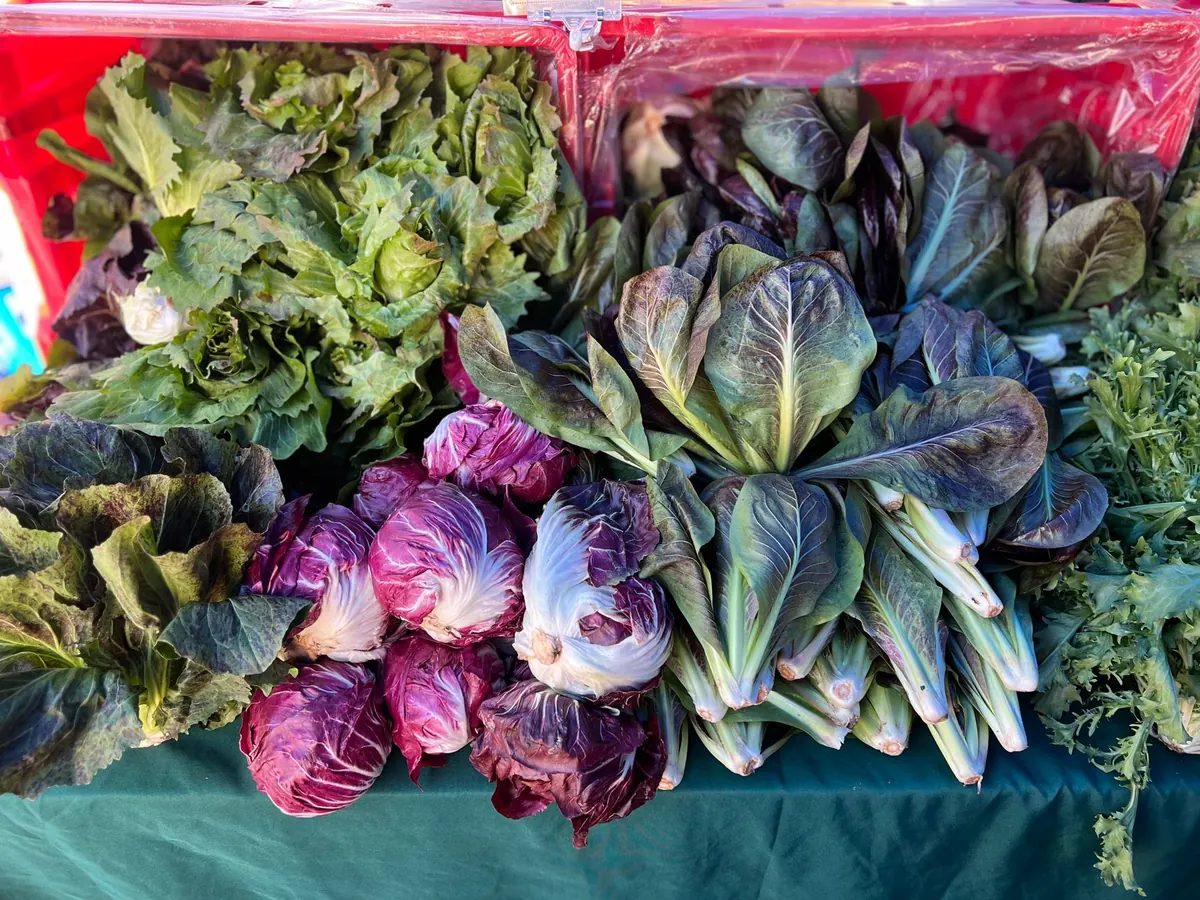
A farmers market is a market of things that were grown, raised, or made, usually by the people standing behind the table. Vegetables and fruit in season, eggs, cheese, cured meats, bread, honey, preserves, olive oil, herbs and plants, and depending on the region, fish or meat from nearby farms. The selection changes through the year, which is the point. If you arrive in February wanting peaches, you'll either be disappointed or you should be suspicious.
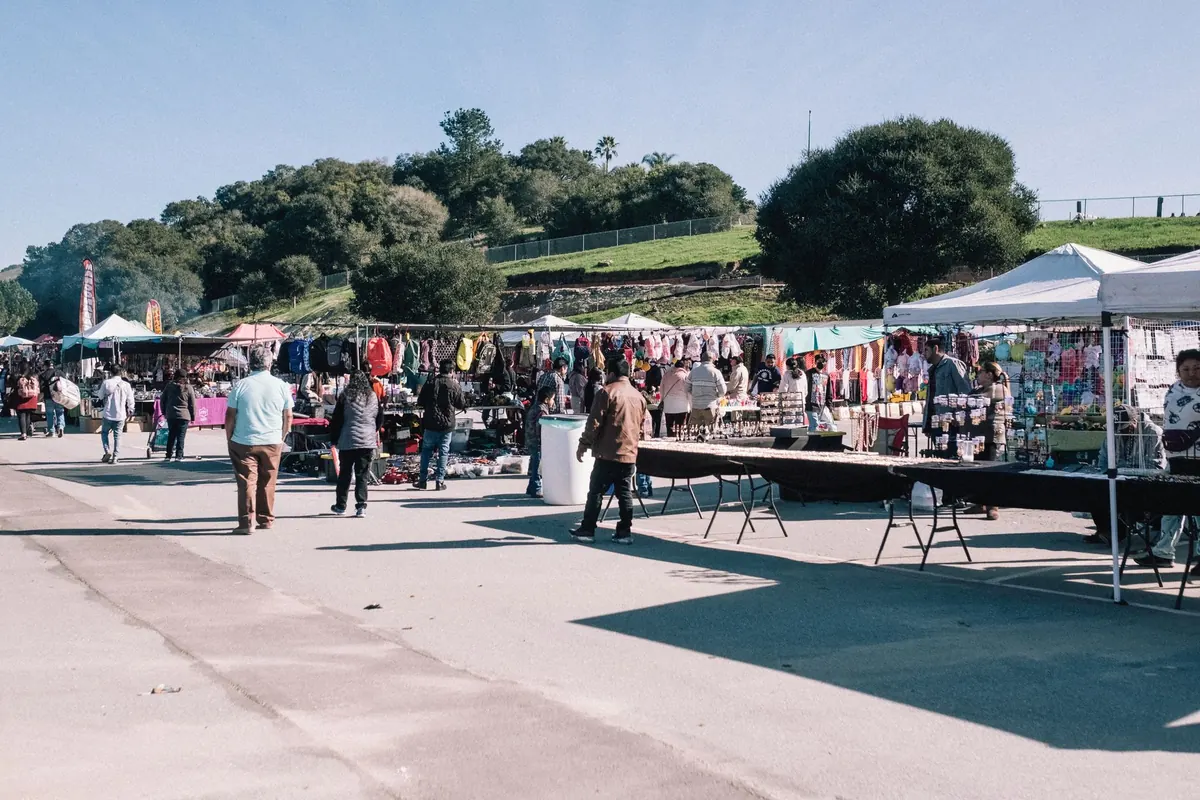
Most real markets are a mix. In plenty of Italian towns you'll find a produce row, a household-goods row, a cheese truck, and two or three vintage stalls all in the same square. Learn which part of your local market does what, and you can shop both in one loop.
How the Pricing Works
At the flea market
Prices are a starting point. Sellers expect a conversation, especially on furniture, glassware, and anything that's been sitting out for a few weekends. The polite version: ask what they'd take for a small group of things rather than haggling one item down to nothing. Bundling is where the real movement happens — three frames, two chairs, a box of books. Cash helps, small notes help more, and late in the day a seller packing up may prefer a quick sale to carrying something home.
What you shouldn't do is grind someone on a two-euro item. The saving isn't worth the friction, and you may want that seller's goodwill next month when they hold something back for you.
At the farmers market
Prices are usually posted per kilo, per bunch, or per piece, and the scale decides the total. That doesn't mean there's no flexibility. A full crate of tomatoes at the end of a hot day often gets rounded down, and boxes of slightly bruised fruit sold for jam or sauce are cheaper for a good reason. Ask what's good value that week — sellers know exactly which crate is at its peak and which needs eating tonight.
Freshness, Condition, and What You Can't See
At the flea market, condition is the whole transaction. Run a finger around the rim of a jug for chips, open a book and check the spine, ask to plug in a lamp, check that a chair doesn't wobble when you press a hand on the seat, and be honest with yourself about anything upholstered that smells. Assume no returns. Measure the gap in your hallway before you fall for a sideboard.
At the farmers market, ask questions. When was it picked? How should I store it? Which variety is better for roasting? People who grow what they sell generally enjoy answering. A stall with a farm name, a photo of the fields, and someone who can name the variety is a better bet than a table of identical, perfectly polished produce with no origin in sight.
Matching the Market to the Errand
Most shopping goals point clearly at one market or the other. A rough guide:
- Feeding the household for the week: farmers market, with a loose meal plan in mind so you don't buy four kilos of courgettes.
- Furnishing a first flat: flea market, over several visits. Buy the sturdy things first and the decorative things later.
- Cooking one proper dinner: farmers market. Spend the money on the main ingredient and keep the rest simple.
- Kitchen kit on a budget: both. Heavy pots, serving dishes, and glassware from the flea market; oil, cheese, and bread from the farmers market.
- A gift with a story: flea market. A 1970s serving plate beats another scented candle.
- A Saturday out with children: either, with a small budget each and one clear rule about not touching without asking.
If your goal is a cheaper weekly food shop overall, be realistic: farmers market produce can cost more than supermarket produce, and it may last a shorter time. The trade is quality and knowing where it came from, not always the lowest total at the till. If money is tight, buy selectively — one or two things at their best, and the rest of the shop elsewhere.
Timing, Cash, and Market Manners
- Choose your hour. Early means the best choice, especially at the farmers market, where the good bread goes first. Late means markdowns and bargaining room at the flea market, but picked-over tables.
- Carry cash. Small notes and coins. Some stalls take cards now, plenty still don't, and a queue behind you is not the moment to discover it.
- Bring your own bags and boxes. A folded tote, a couple of sturdy boxes in the car, and something to wrap glass in.
- Keep a measurements note on your phone. Doorway widths, shelf gaps, the height of the wall where a mirror might go. It saves a lot of standing in a market squinting at a lamp and guessing.
- Ask before you handle. At a farmers market, point rather than squeeze. At a flea market, wait until the seller isn't mid-transaction with someone else.
- Keep a running list. A note on your phone of the specific things you're hunting for — a lamp with a shade, a lidded pot, a decent wooden board — stops a flea market visit turning into an aimless hour.
Start With the List, Not the Aisle
On Friday evening, write two short lists. One is food: what you'll actually cook in the next five or six days, plus the staples you're out of. The other is the home list: the specific gaps you'd fill if the right thing turned up at the right price.
Then let the lists decide your route. If the food list is long and the fridge is empty, go to the farmers market first, while the produce is at its best and your bags are still light. If the home list has one clear, nagging gap — a lamp, a chair, a pot with a lid — go to the flea market first, hunt that one thing properly, and treat anything else as a bonus. Next weekend, swap. After a month you'll know which market earns its place in your routine, and which one you were only visiting out of habit.
Photo: Kikos / Pixabay