October 06, 2026
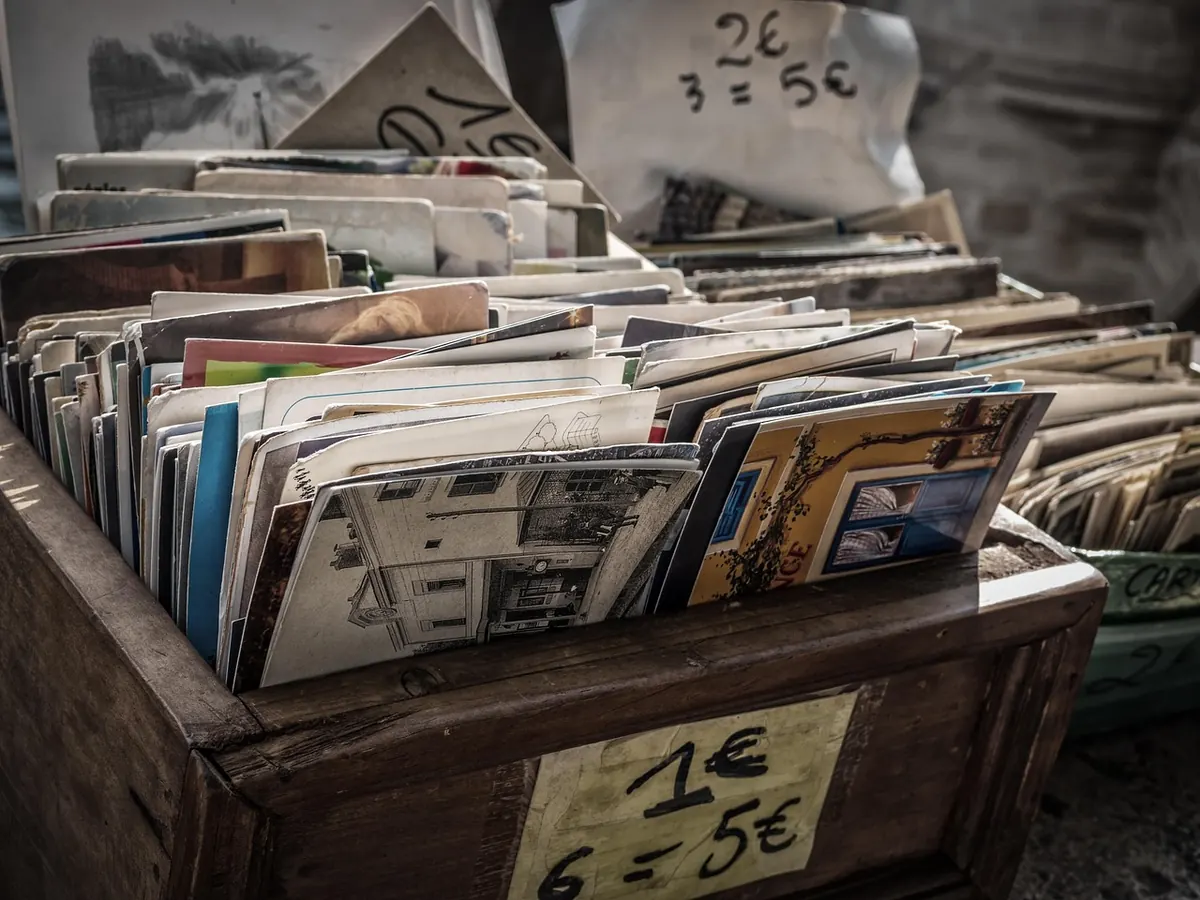
You spot it from three stalls away: a brass lamp, a stack of linen, a small wooden sideboard with good legs. By the time you're standing over it, your hand is already on your wallet. That's the moment this checklist is for. Not to talk you out of the find, but to make sure the thing you carry home is the thing you actually wanted — and that the price you paid still feels right a week later, when the novelty has worn off and the object has to earn its place in your hallway.
Ten questions, then. Ask them in this order. Most take seconds. The one or two that take longer are the ones that save you the most money.
Condition: Three Questions at the Stall
1. Is it as good as it looks from three feet away?
Market light is flattering. Overcast light hides scratches; warm string lights hide water rings and fading. Pick the piece up, turn it toward the daylight, and look at it the way you'd look at it in your own kitchen at nine in the morning. Run a thumb along edges and corners. Hold ceramic up to the sky to check for hairline cracks. On textiles, hold the fabric against the light — thin patches show up fast.
2. Is anything missing?
Secondhand objects arrive with holes in them. A lamp without its shade. A set of six glasses with five. A sewing table without the little drawer pull. A board game with no dice. Missing parts are rarely fatal, but they change the price and they change your weekend. Ask directly: "Is this all of it?" Sellers who cleared a house often genuinely don't know, so ask what the piece came with, not just what's on the table.
3. Does it work right now, in front of me?
If it plugs in, ask to plug it in. If it opens, close it. If it folds, fold it. If it has a drawer, pull it out and push it back. Do this before you discuss money, while the seller is still standing there and it's still their problem.
- Lamps and electricals: switch on, wiggle the cord near the plug, check for fraying and for a switch that feels loose or crunchy.
- Furniture: press down on one corner to check for wobble, then the opposite corner. Open and close every door and drawer.
- Ceramics and glass: tap gently — a dull thud instead of a ring can mean a crack.
- Metalware: check hinges, handles and joints for cracks rather than just shine.
Anything electrical that's old enough to have cloth-covered wiring should be checked by a qualified electrician before you use it. That's not a reason to walk away; it's a line item in your budget.
The Questions That Find Hidden Defects
4. What's on the back, the bottom, and inside?
Turn it over. Always turn it over. Woodworm holes, water damage, a repaired leg, a stamped maker's mark, a split in the veneer — the underside tells the truth that the front is hiding. Look at the back of frames and mirrors for damp staining. Shine your phone torch inside cupboards and drawers; musty smells and dark staining are hard to fix and easy to miss. If a seller won't let you turn something over, that's your answer.
5. What will it cost to make it right?
Add up the repairs before you add up the compliments. A chair with good bones and a torn seat is a bargain at one price and a chore at another. Reupholstery, re-glazing, rewiring, new hardware, a missing leaf for a table — these are real costs, and they're usually higher than people guess. If you don't know what a repair costs, that's fine: price the piece as if the flaw stays exactly as it is, and treat any fix as a bonus.
Usefulness: Questions to Ask Yourself, Not the Seller
6. Where exactly will this live when I get it home?
Not "somewhere in the living room." Exactly where. Measure before you go if you're hunting for something specific — doorways, stair turns and ceiling height included. If you can't picture the spot, you're buying an idea rather than an object, and ideas take up a surprising amount of floor space. The same rule applies to small things: a fourth vase is only useful if you have a fourth spot for it.
7. Do I already own something that does this job?
Walk through your own kitchen and cupboards in your head. The bread bin you're admiring may be the third bread bin. This question isn't about depriving yourself — it's about keeping the finds that matter. A useful test: if you'd have to move something out of the way to use it, you're probably trading down.
A Few Words With the Seller
8. Why is it here, and where did it come from?
Ask casually and listen properly. "It was my mother's," "it came out of a house clearance," "I've had it in the garage for years," "I buy and sell" — each answer tells you something about how much the seller knows and how firm the price is. Dealers usually know what they have; house clearances often don't. Neither is dishonest. But a seller who can tell you how long they've owned something, and what they used it for, is a seller you can ask real questions about its history and condition.
While you're talking, ask whether it has been repaired, refinished or repainted. A well-done repair is fine. A hidden one, discovered later, is not.
Price: Fair, Not Just Cheap
9. What's it worth to me, and what do comparable pieces sell for?
Two numbers, and they're different. The market number tells you whether the asking price is sensible; the personal number tells you whether you'll regret it. Check sold listings on your phone rather than asking prices — what people ask and what people pay are two different conversations. Then decide your ceiling before you start negotiating, and say it out loud in your head. A price you'd happily pay at 9am can feel absurd after ten minutes of haggling adrenaline.
- Compare like with like: same material, same condition, same size.
- Deduct for every flaw you found in questions one to five.
- Remember that a fair price is not the same as the lowest price a seller will accept.
If money is tight, decide what you can spend before you leave the house and take that amount in cash. It's a simple limit that works better than willpower.
The Exit Plan
10. What happens if I get it home and I'm wrong?
Ask about returns before you pay, and don't be shy about it. Many market sellers will exchange or refund within a short window if something turns out to be broken; many won't, and that's normal for secondhand goods. Either way, you should know which sort of seller you're dealing with while you still have the option to walk away. Ask for a receipt if the amount is significant, and get a phone number if the piece is large or expensive enough that you might need to arrange collection or ask a follow-up question.
And keep the walk-away option alive. Some of the best market decisions are the ones where you say "thank you, I'll think about it," walk one lap of the stalls, and discover you don't want it any more — or that you want it enough to go back and pay properly.
A Two-Minute Pass Before You Pay
Run the list once more, quickly, with the item in your hands:
- Condition in daylight, not market light?
- Every part present?
- Tested, opened, switched on, folded?
- Underside, back and inside checked?
- Repair costs counted, not guessed?
- A specific place at home identified?
- Nothing similar already doing the job?
- Seller's story and history heard?
- Price checked against sold comparables and against your own ceiling?
- Return terms and contact sorted?
Ten questions, and most of them take less time than queueing for coffee. The reward isn't a stricter shopping list — it's the opposite. When you've checked properly, you can buy with a clear head and enjoy the find for what it is: a good object, at a fair price, that already has a place waiting for it at home.
Photo: analogicus / Pixabay